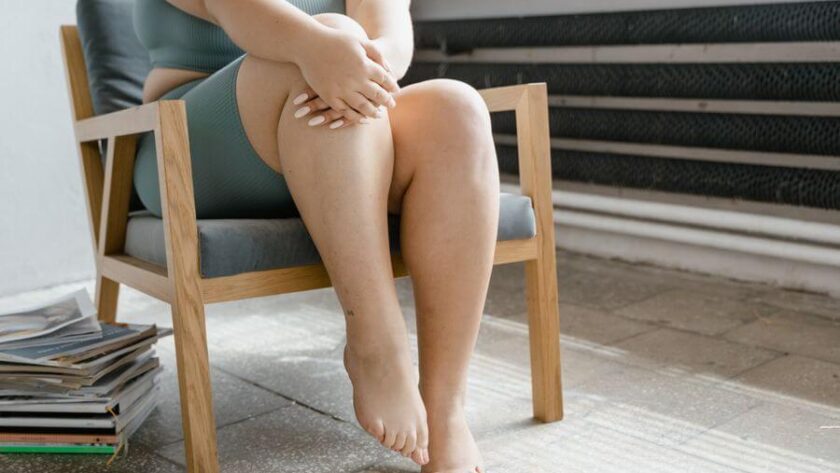
There is a question that comes up in almost every lipedema community, every support group, every first appointment with a specialist. Could this have been stopped? Is there anything I could have done differently?
It is a completely natural thing to ask. And the honest answer is complicated. Not because doctors are hiding something, but because lipedema itself is still being understood. The research is catching up. The awareness is growing. But the condition has spent decades being misidentified, mismanaged, and misunderstood.
So let’s talk about what we actually know.
What Lipedema Is and Why It Gets Confused With Other Things
Lipedema is a chronic condition that affects the way fat is distributed in the body. It almost exclusively affects women. The fat tends to accumulate symmetrically in the legs, hips, thighs, and sometimes the arms, but it stops at the ankles and wrists. That stopping point is actually one of the clearest clinical signs.
What makes it particularly frustrating is how often it gets mistaken for obesity or lymphedema. Women are told to eat less and move more. They do. Nothing changes. The fat in the affected areas does not respond to diet or exercise the way normal fat tissue does. That is not a personal failure. That is the biology of the condition.
The confusion leads to years of misdiagnosis for many patients. Some wait a decade or more before someone finally gives them the right answer.
The Genetic and Hormonal Picture
One of the most important things to understand about lipedema is that it runs in families. Not always in an obvious way, because many older relatives were never diagnosed. But when women with lipedema start asking questions, they often find a mother, an aunt, or a grandmother who had the same heavy legs, the same bruising, the same pain that was just accepted as normal.
The genetic component is real and significant. This is not something you develop because of your habits. You are born with the predisposition.
Hormones also play a clear role. Lipedema tends to appear or worsen at hormonal transition points. Puberty is one of the most common onset periods. Pregnancy is another. Menopause often brings a new wave of progression. This pattern is consistent enough that researchers treat it as a defining characteristic of the condition rather than a coincidence.
If lipedema runs in your family and you are approaching a hormonal transition, paying attention to early symptoms is one of the most useful things you can do.
Why Lifestyle Alone Cannot Prevent It
This needs to be said clearly, because the myth causes real harm. Lipedema is not caused by weight gain. It is not caused by inactivity. It cannot be prevented by eating well or exercising regularly, even though both of those things matter for overall health.
Women with lipedema often describe being in the best shape of their lives when symptoms first appeared. Athletes. Dancers. Women who were running regularly and watching what they ate. The condition showed up anyway, because it was always going to.
What lifestyle choices can do is support the body’s overall health and help manage the symptoms. That is genuinely valuable. But it is a different thing from prevention. Treating them as the same idea has caused enormous amounts of unnecessary guilt and medical gaslighting for patients who were already struggling.
According to information shared by the Lipedema Foundation, a leading nonprofit supporting lipedema research and education, the condition is estimated to affect up to 11 percent of women worldwide, yet it remains widely underdiagnosed due to limited awareness among healthcare providers.
Early Warning Signs Worth Knowing
Even if you cannot prevent lipedema, catching it early makes a significant difference in how the condition progresses. The earlier you get the right support, the more options you have.
Common early signs include:
- Symmetrical fat buildup in the lower body, particularly the thighs and calves, that feels different from regular weight gain
- Tenderness or pain in the affected areas, even with light pressure
- Easy bruising that seems disproportionate to minor bumps or contact
- A feeling of heaviness in the legs that tends to get worse as the day goes on
- Swelling that improves overnight but returns by the end of the day
- Skin that feels different in texture from surrounding areas, sometimes described as feeling like small pearls or nodules beneath the surface
The disproportion between the upper and lower body is often one of the first things patients notice. Clothes that fit well on top do not fit on the bottom, and that gap keeps widening.
What Patients Say About Getting Diagnosed
Patient experiences reveal something that clinical descriptions sometimes miss. The emotional weight of this condition is significant. Many women spend years being told their problem is behavioral. That if they just tried harder, the issue would go away. When a diagnosis finally arrives, the reaction is often relief mixed with grief.
Relief because there is finally a name for it. Because it confirms that they were not imagining things and were not failing. Grief because of all the years spent blaming themselves for something that was never their fault.
Patient communities have become an important resource for exactly this reason. The practical knowledge shared in those spaces, about which specialists actually understand the condition, which compression garments work, which physical therapists have experience with lymphatic drainage, is genuinely valuable. Especially in places where specialist access is limited.
Management Strategies That Can Slow Progression
Since prevention is not currently possible, the focus shifts to management. And there is quite a lot that can be done, especially when treatment starts early.
Conservative approaches that are commonly recommended include:
- Manual lymphatic drainage, a specialized form of gentle massage that helps move fluid and reduce swelling
- Compression garments, worn during the day to support circulation and minimize fluid buildup
- Low-impact exercise such as swimming, cycling, or water aerobics, which keep the lymphatic system moving without putting excessive stress on the joints
- Anti-inflammatory nutrition, not as a cure but as a way to reduce overall systemic inflammation and support the body
For women with more advanced lipedema, a surgical option called liposuction using water-assisted or tumescent techniques has shown meaningful results in reducing the lipedema tissue itself. This is different from cosmetic liposuction and should only be performed by surgeons with specific experience in treating lipedema.
The combination of conservative management and, where appropriate, surgical intervention can significantly improve quality of life. Pain levels go down. Mobility improves. Women describe feeling like themselves again.
The Role of Awareness in Changing Outcomes
Something is shifting in how lipedema is understood, both in medical communities and among the general public. More specialists are being trained to recognize it. More patients are coming in with information already in hand, asking better questions and advocating for themselves more effectively.
Awareness matters enormously here. A woman who knows that lipedema runs in her family and understands what the early signs look like is in a much stronger position than one who does not. She can seek evaluation earlier. She can start conservative management before the condition progresses. She can avoid years of being pointed toward interventions that will not help.
The science is still developing. There is genuine hope that as research advances, better tools for understanding genetic risk and hormonal triggers will open up new possibilities. But right now, the most powerful thing available is knowledge. Knowing what to look for, knowing who to ask, and knowing that the condition is real and manageable even when it cannot be fully prevented.