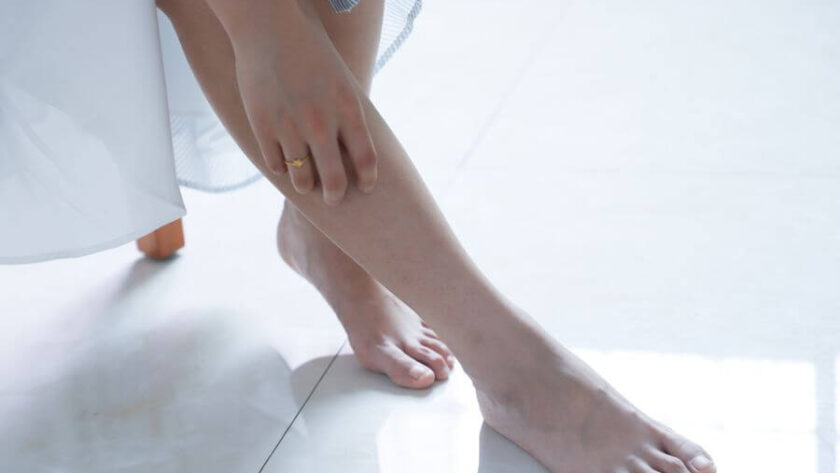
It started between my two smallest toes, which is such a random, annoying spot to itch in public. I kept blaming my new running shoes, then the laundry detergent, then just generally being tired and imagining things. It wasn’t any of that. It was athlete’s foot, and once I actually looked at what was going on down there, it made a lot more sense.
Athlete’s foot is ridiculously common, way more than people admit out loud, and it’s one of those conditions that’s easy to shrug off until it starts cracking, peeling, or genuinely hurting. Let’s get into what it actually is, why it shows up, and what to do about it without wasting weeks on things that don’t work.
What’s really going on with the itch
The medical term is tinea pedis, caused by the same family of fungi behind ringworm and jock itch. It lives on dead skin cells and thrives in warm, moist environments, which unfortunately describes the inside of most shoes for most of the day. It usually starts between the toes, often the smallest gaps first, and can spread to the soles or even the sides of the feet if it’s left alone.
The classic signs are itching, redness, and skin that looks scaly or starts peeling. Some people also get small blisters or cracking skin, especially between toes, which can sting quite a bit once it’s raw. Mine got to the point where putting on socks in the morning was genuinely unpleasant.
Why it keeps coming back for some people
This is the part that frustrated me most. I’d treat it, feel better after a week, stop, and then it would creep back a month later. Turns out that’s incredibly common, and there are usually a few reasons behind it.
Reasons athlete’s foot tends to return:
- Stopping treatment as soon as symptoms improve instead of finishing the full course
- Reinfecting from the same pair of shoes that never got properly treated
- Walking barefoot in gyms, pools, or shared showers
- Sweaty feet without any moisture management
- Having it spread from your feet to your hands through scratching, then back again
That last one genuinely surprised me. Apparently touching your feet and then other parts of your body without washing your hands can spread it around, which explains a few odd itchy spots I’d never connected to my feet before.
What actually clears it up
Over the counter antifungal creams, sprays, or powders work for most cases, but the mistake almost everyone makes is stopping too early. Symptoms usually calm down within a week or so, but the fungus itself often needs two to four weeks of continued treatment to actually be gone.
Keep applying the treatment for the full length of time listed on the packaging, even after your feet look and feel normal again. Stopping early is the single biggest reason it comes right back.
If it’s not improving after a few weeks, spreading significantly, or the skin looks infected rather than just irritated, a doctor visit is worth it. There are prescription options for stubborn cases, and a doctor can also rule out other things that mimic athlete’s foot, like eczema or contact dermatitis, which respond to completely different treatments.
Making your shoes part of the solution
Treating your skin while ignoring your shoes is a bit like mopping the floor while the tap is still running. The fungus can live in shoe fabric for a surprisingly long time.
- Alternate shoes daily so each pair actually dries out between wears
- Wash socks in hot water, especially during an active flare up
- Use an antifungal powder or spray inside shoes, not just on feet
- Choose breathable materials over synthetic, non breathable shoes when possible
- Dry feet thoroughly after showering, especially between the toes, before putting socks on
I started keeping a small towel just for my feet after showers, which sounds excessive but honestly cut down on lingering moisture more than I expected.
Public spaces are the usual culprits
Locker rooms, pool decks, and communal showers are practically designed to spread this. Wearing sandals or shower shoes in these spaces isn’t paranoid, it’s just realistic given how easily fungus transfers on damp surfaces. Same goes for nail salons and shared pedicure tools, which can carry it too.
The boring truth about actually beating it
There’s no fast fix here, and anyone promising an overnight cure is stretching the truth. What works is consistent treatment for the recommended length of time, drying your feet properly, and not sharing footwear or towels while it’s active. It’s unglamorous advice, but it’s the difference between clearing it once and dealing with it on repeat for years.
Mine cleared up in about three weeks once I actually stuck with treatment instead of quitting the moment it stopped bothering me. Not exciting, but it worked.