
We’ve all seen the aesthetic photos of Nordic cabins surrounded by snow, with steam billowing from a tiny wooden shack. It looks great on Instagram, sure. But as someone who has spent years dissecting wellness trends through a technical and biological lens, I can tell you that the real magic of a sauna session isn’t the “vibe.” It’s the profound physiological shift that happens when you intentionally subject your body to controlled thermal stress.
When we talk about heat therapy for body and mind, we aren’t just talking about sitting in a hot room until you sweat. We are talking about hormesis-the biological phenomenon where a brief period of stress leads to long-term resilience. If you’re looking to optimize your recovery, sharpen your brain, or just find a way to quiet the noise of a 24/7 digital world, the sauna is your most effective, low-tech tool.
The Science of Stressing for Success
Most people think the benefits of a sauna start and end with “detox through sweat.” Let’s clear that up right now: your kidneys and liver handle the detox. The sauna handles the vascular and cellular overhaul.
When you step into a traditional Finnish sauna (usually between 80°C and 100°C), your heart rate climbs. It mimics moderate exercise. Your blood vessels dilate, pushing oxygen-rich blood to the corners of your musculoskeletal system that rarely get enough “love” during a sedentary workday. This is why your muscles stop aching and your skin starts to glow.
But the real “insider” secret lies in Heat Shock Proteins (HSPs). These are molecular chaperones that swoop in to repair damaged proteins in your cells. Think of them as a 24/7 maintenance crew that only shows up when the thermostat hits a certain level. Consistent heat therapy for body and mind keeps this crew on payroll, potentially slowing down the cellular aging process.
The “Mental Clear” Factor
There is a specific kind of silence that only exists in a 90-degree room. You can’t take your phone in there-it would melt. You can’t really read a book-the pages curl. You are forced to exist.
From a neurological perspective, heat therapy triggers the release of dynorphins, which initially make you feel a bit uncomfortable or “agitated” by the heat. However, this triggers your brain to sensitize its mu-opioid receptors. In plain English? When you step out of that heat and into a cool shower, your brain becomes more effective at processing endorphins. That “post-sauna glow” isn’t just a feeling; it’s a chemical rebalancing of your stress response system.
Expert Tip: To maximize the mental health benefits, try “intermittent cooling.” Three rounds of 15 minutes in the heat, followed by 2 minutes of a cold shower or plunge. This “thermal shock” trains your nervous system to switch between the sympathetic (fight or flight) and parasympathetic (rest and digest) states with elite efficiency.
Traditional Finnish vs. Infrared: Which One Wins?
This is the question I get asked most often in the “tech-wellness” space. If you’re building a routine around heat therapy for body and mind, does the equipment matter?
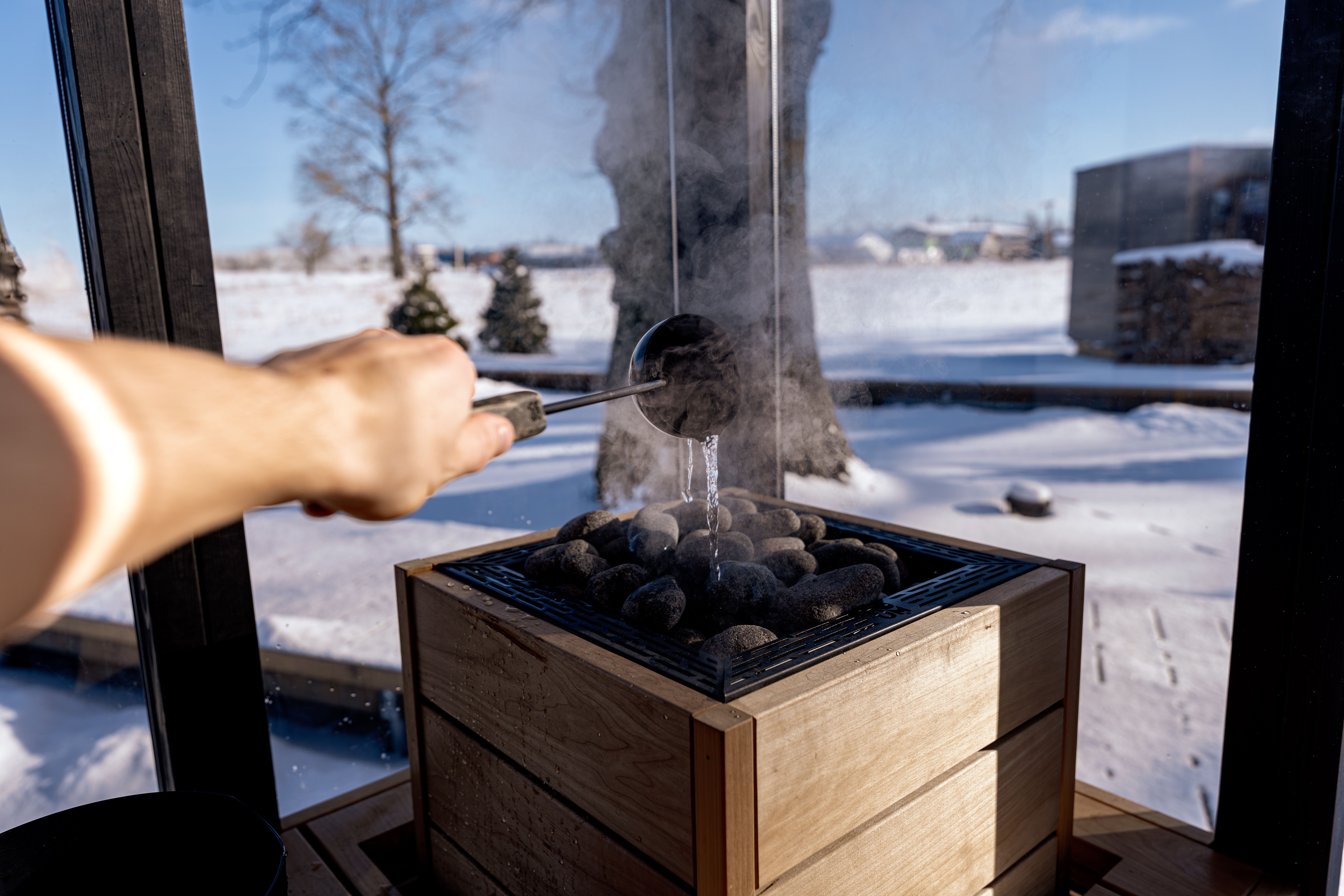
Traditional Saunas: These heat the air around you. They are harsh, humid (if you use the stones), and social. They hit the highest temperatures and are best for cardiovascular conditioning.
Infrared Saunas: These use light waves to heat your body directly from the inside out. They operate at lower temperatures, making them better for people who find traditional heat “suffocating.”
If you want the “heavy lift” for your heart and those Heat Shock Proteins, go traditional. If you want a deep, relaxing sweat that targets joint pain without the lung-searing air, infrared is a fantastic entry point. Personally? I’m a purist. Give me the wood-fired heat and the steam (le löyly) every single time.
Advanced Protocols for the High-Performer
If you’re just sitting in a sauna for 5 minutes and leaving, you’re leaving 90% of the benefits on the cedar bench. To truly leverage heat therapy for body and mind, you need a protocol.
Hydration is the Engine
Don’t just drink water. When you sweat that much, you’re losing electrolytes-sodium, potassium, and magnesium. If you feel a headache after a sauna, you didn’t “detox,” you dehydrated. Drink a mineral-rich electrolyte solution 30 minutes before you enter.
Timing Your Sessions
The best time for a sauna is late afternoon or evening. Why? Because to fall asleep, your core body temperature needs to drop. When you exit a sauna, your body works overtime to cool you down, which actually “tricks” your system into a deeper, more restorative sleep cycle.
The “Dry” Skin Secret
Before entering, use a dry brush on your skin. It removes dead cells and opens up your pores, allowing for a more efficient sweat. It sounds like a small detail, but once you try it, the difference in the “clean” feeling afterward is night and day.
Avoiding the “Casual” Mistakes
I see people making the same errors over and over. They wear gym clothes inside (which traps toxins and prevents skin cooling) or they stay in far too long on their first day trying to prove something.
Listen to your heart: If you feel dizzy, the session is over. There are no trophies for fainting.
The Alcohol Trap: Never, ever go in after a few drinks. It dehydrates you and puts an immense strain on your heart. Save the beer for the post-sauna chill, preferably in a cold environment.
Consistency over Intensity: You will get more out of four 15-minute sessions per week than one 60-minute session on a Sunday.
Why This is the Ultimate Modern Antidote
We live in a world of constant “micro-stresses”-blue light, notifications, deadlines. Our bodies are stuck in a low-level “on” state. Heat therapy for body and mind acts as a hard reset. It is a physical space where the digital world cannot follow you.
When you commit to a heat practice, you aren’t just sweating. You are teaching your body how to handle stress, how to repair itself on a cellular level, and how to find stillness in discomfort. It’s one of the few ancient technologies that has only become more relevant as our lives have become more modern.
If you haven’t started yet, find a local gym or spa with a traditional setup. Start slow, breathe through your nose to cool the air entering your lungs, and pay attention to how you feel the next morning. You might find that the “heat” is exactly what you needed to finally cool down.