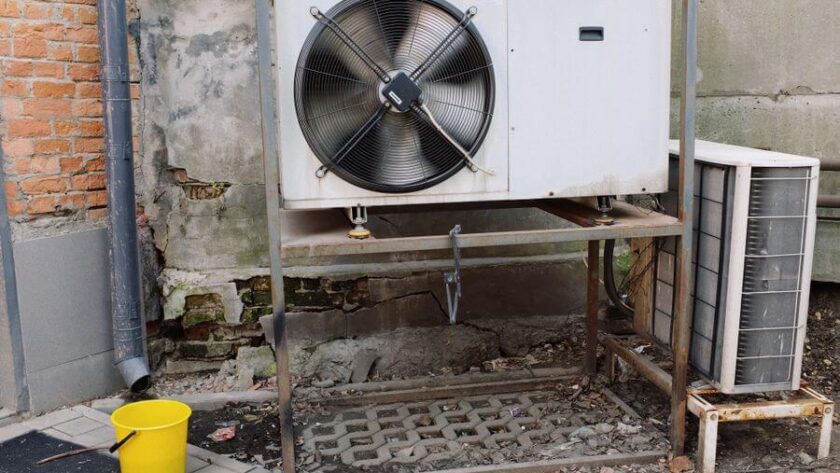
I had a client a few summers back who swore his AC was just getting old. Three repair calls in one season, his energy bill creeping up every month, and he was already pricing out a full replacement. Turned out the unit was barely five years old. What it actually needed was a deep clean of the coils and a fresh filter, something nobody had touched since installation. After that one service call, his system ran like it was new again.
That story isn’t unusual. It’s actually the rule, not the exception.
Why A Dirty System Works Harder Than It Should
An air conditioner doesn’t fail because it’s tired. It fails because it’s been fighting through layers of dust, pet hair, and grime for years without anyone noticing. The evaporator coil and condenser coil are where heat exchange actually happens, and once they’re caked in buildup, the whole system has to work significantly harder just to hit the same temperature.
I’ve measured this directly with a clamp meter on units before and after cleaning. It’s common to see the compressor draw noticeably less current right after a proper coil cleaning, because the system isn’t straining against trapped heat anymore. That difference shows up on the electric bill every single month, not just once.
A unit fighting dirty coils isn’t broken. It’s just working twice as hard to do half the job.
The Air Quality Side People Forget About
Most people think about annual ac cleaning purely in terms of cooling power. The air quality angle gets overlooked constantly, and it’s honestly one of the bigger reasons to stay on top of it.
Every time that system runs, it’s pulling air through the same coils, filters, and ductwork day after day. Dust accumulates. Mold loves the cool, damp surface of a coil that never gets serviced, especially in humid climates. A unit that hasn’t been cleaned in a couple years isn’t just less efficient, it’s recirculating whatever’s been building up inside it straight into the rooms where people sleep and breathe.
I’ve opened up units in homes where someone in the family had unexplained allergy flare-ups every summer, and found a condensate drain pan with visible mold growth. Cleaning that out didn’t fix the allergies overnight, but it removed one obvious contributing factor nobody had considered.
What Actually Happens During A Proper Cleaning
A real annual ac cleaning isn’t just wiping down the outside unit and calling it done. A technician doing this properly should be covering a few specific things.
Coil cleaning, both indoor and outdoor. The evaporator coil inside and the condenser coil outside both need direct attention, not just a quick rinse with a garden hose.
Condensate drain line clearing. A clogged drain line is one of the most common causes of water damage and mold growth, and it’s almost never checked unless someone specifically asks.
Filter inspection and replacement. This sounds obvious, but I’ve seen filters that hadn’t been changed in over a year, completely blocked with debris, quietly suffocating the airflow the whole time.
Electrical and refrigerant checks. A good service visit also checks refrigerant levels and tightens electrical connections, since loose connections are a leading cause of premature compressor failure.
The U.S. Department of Energy actually outlines what a qualified technician should be doing during these visits, and it’s a useful checklist to compare against if you want to know whether your technician is doing a thorough job or just rushing through a quick once-over.
How This Affects More Than Just Comfort
Here’s the part that surprises people the most. Staying on top of annual ac cleaning doesn’t just keep a house comfortable. It actually shows up in ways connected to property value too.
Home inspectors and appraisers notice maintenance records. A system with documented annual service tends to be viewed as lower risk by both buyers and inspectors, which can quietly smooth over negotiations during a home sale.
A neglected, visibly dirty system is one of the easier red flags an inspector points out, and it’s exactly the kind of thing that gives a buyer leverage to ask for a price reduction.
There’s also the simple math of equipment lifespan. A well-maintained AC unit can run for well over a decade. A neglected one frequently needs replacing in half that time. Replacing an entire system costs significantly more than a few years of basic annual service, and that math rarely works out in favor of skipping maintenance.
An air conditioner is one of those systems people only think about when it stops working. The ones who get the most out of theirs treat it differently. A quick annual ac cleaning costs a fraction of what a breakdown or early replacement runs, and it pays for itself quietly every single month in lower energy bills and cleaner air. That’s the kind of maintenance that’s easy to skip and expensive to regret.