
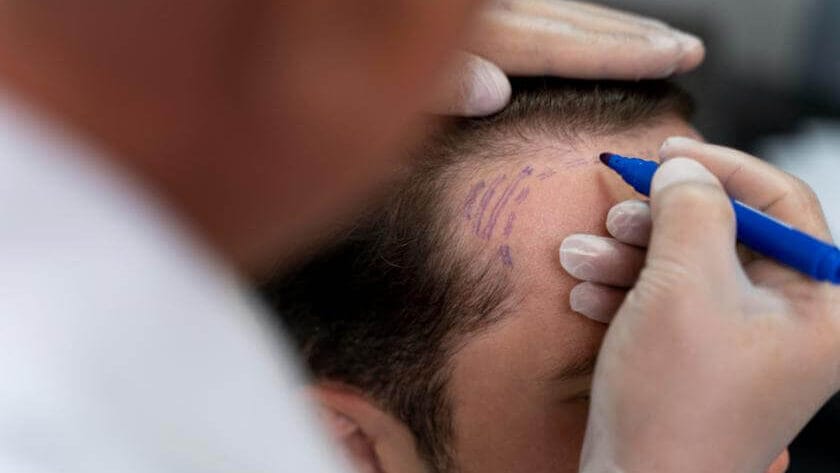
Hairline surgery is no longer a niche procedure—it’s a rising trend reshaping the way people approach facial aesthetics. Whether the goal is to lower a naturally high hairline, enhance symmetry, or achieve a more feminine appearance, hairline surgery has become a transformative solution for many. In this guide, we’ll walk through the latest trends, techniques, and what to expect—from your first consultation to full recovery.
What Is Hairline Surgery?
Hairline surgery refers to a set of procedures designed to adjust the position, shape, or density of the hairline. The two most common approaches are:
-
Hairline lowering (forehead reduction): Surgically advancing the hairline to reduce forehead height.
-
Hairline transplantation: Using follicular grafts to reshape or densify the hairline.
These procedures are often part of broader facial transformation goals, including gender-affirming surgeries or aesthetic enhancements.
Why Hairline Surgery Is on the Rise
Several factors are driving the popularity of hairline surgery:
-
Personalized aesthetics: Patients seek customized hairline designs that complement their facial structure.
-
Minimally invasive techniques: Advances in FUE (Follicular Unit Extraction) allow for precise grafting with minimal scarring.
-
Combination procedures: Hairline surgery is often paired with brow lifts, eyelid surgery, or facial contouring.
-
Broader demographics: Both men and women are increasingly opting for hairline surgery to boost confidence and refine their appearance.
The Consultation Process
Your journey begins with a detailed consultation. During this session, the surgeon will:
-
Assess your current hairline and scalp elasticity
-
Discuss your aesthetic goals and expectations
-
Recommend the most suitable technique
-
Explain potential risks, costs, and recovery timelines
A thorough consultation ensures that the procedure is tailored to your unique needs and sets the foundation for a successful transformation.
Techniques That Define Modern Hairline Surgery
Today’s hairline surgery is more precise and effective than ever. Common techniques include:
-
FUE (Follicular Unit Extraction): Individual follicles are transplanted without leaving a linear scar.
-
FUT (Follicular Unit Transplantation): A strip of scalp is removed and dissected into grafts—ideal for larger sessions.
-
Scalp advancement: The scalp is surgically moved forward to lower the hairline.
-
Laser-assisted grafting: Enhances accuracy and healing.
The choice of technique depends on your hair type, scalp condition, and desired outcome.
Psychological and Aesthetic Benefits
Hairline surgery offers more than just physical change—it can have a profound emotional impact. Patients often report:
-
Increased self-esteem
-
Greater comfort in social settings
-
Improved body image
-
A sense of alignment between inner identity and outer appearance
For those undergoing facial feminization, hairline surgery is a key step in achieving a softer, more harmonious look.
Recovery Timeline
Recovery varies depending on the method used, but here’s a general overview:
-
Week 1: Swelling, mild discomfort, and possible bruising. Rest is essential.
-
Weeks 2–4: Healing progresses, and new hair growth begins. Temporary shedding may occur.
-
Weeks 5–12: Hairline starts to take shape, and results become more visible.
-
Months 3–6: Final results settle in, with natural-looking hair growth and improved facial balance.
Following post-op instructions and attending follow-ups are crucial for optimal healing.
The Role of Online Consultations
In today’s digital age, many clinics offer virtual consultations for hairline surgery. This allows patients to:
-
Share photos and medical history remotely
-
Receive expert advice without traveling
-
Schedule procedures with greater flexibility
Online consultations are especially helpful for those in remote areas or seeking international expertise.
Choosing the Right Surgeon
Success in hairline surgery depends heavily on the surgeon’s skill. Look for:
-
Board certification and specialization in hair restoration or facial surgery
-
Before-and-after galleries showcasing real results
-
Transparent communication about pricing and procedures
-
Positive patient reviews and testimonials
A qualified surgeon will guide you through every step—from planning to post-op care.
Hairline surgery is more than a cosmetic fix—it’s a gateway to self-confidence and facial harmony. With evolving techniques, growing accessibility, and a surge in demand, this procedure is helping people redefine their appearance on their own terms. From the first consultation to the final transformation, hairline surgery offers a powerful blend of science, artistry, and personal empowerment.