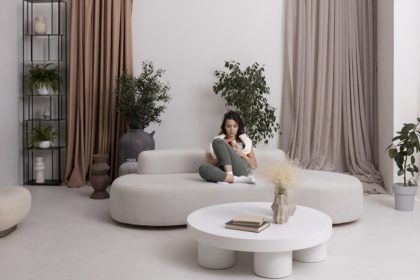
Unburdened by too much color, furniture and embellishments, the Japanese-inspired design is all about achieving the perfect balance of elements and turning your space into a zen environment. Zen (both state of mind and the live-in space) promotes simplicity and emphasizes the importance of intuition and meditation. The main concept of Japanese design is called “Ma”, used to help create a home that’s calm, clear and uncluttered, and encourage an atmosphere that is not only wonderful to live in but very inviting and pleasant for the visitors, too.
If you are looking to turn your home into a relaxed space by adopting the Japanese philosophy of interior design, read through the advice below to get inspired:
Invite the nature in
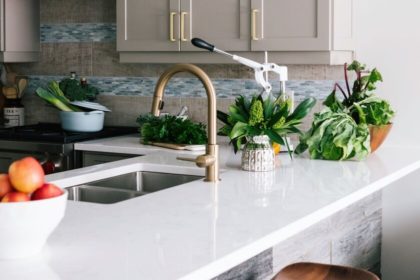
Japanese are all about respect and love for nature, and making nature a part of their homes is essential. For a real Japanese feel, add a few traditional Japanese plants in your home, like bamboo or bonsai (or both). You can also go with leafy, deep green plants, rich in texture and their visual impact. An orchid or a palm could work, while flowery plants should wait for some other time. Japanese appreciate simplicity: green, simple, natural.
Let the wood dominate
As Japanese are lovers of nature and everything that comes from it, it is no surprise that they let wood dominate their home interior. Most elements like screen grids, doors, frames, walls, etc. are made of wood and they are always cohesively incorporated with the rest of furniture. To give your home a more Japanese feel, replace the typically western types of wood like cypress, maple, red pine and hemlock with bamboo – it’ll look exotic and last long.
Include sliding doors and screens
Although screens and sliding doors have mainly become parts of Japanese interior for functionality purposes, they did become one of the staple interior design trends in Japanese aesthetics. A Shoji (an authentic Japanese screen) is part of every home in Japan, and it looks absolutely wonderful. Include one in your home instead of a door or a wall, use it to conceal an area or separate living zones.
Encourage natural lighting
If you were lucky enough to get a home with a lot of windows and natural light, your job is done. Unfortunately, most homes (whether we are talking apartments or actual houses) don’t have as many windows as we’d like which is why the inflow of natural light gets limited. The alternative? Artificial lighting properly placed and dimmed. The Japanese philosophy of a homey atmosphere is that it should be relaxing and never aggressive: this is why their indoor lighting either relies on natural light or focuses on soft artificial lighting. Consult with a 24 hour electrician to get the best advice on how to properly use the lighting to create a calming atmosphere in your home.
Design a Japanese entryway
Genkan, a.k.a. The Japanese entryway is the entrance to a home where visitors are welcomed and greeted, and shoes removed. The visitors put slippers on or enter the home in their socks. Absolutely atypical for western homes, a genkan may bring an exceptionally interesting vibe into your home.
Consider adding water elements
Being a part of nature, water plays a huge role in the interior design of Japanese homes. The Japanese rely on water sounds to give them peace of mind and calm while they meditate, sleep or just go about their day. Usually, a Japanese home is never without a fish tank, an indoor fountain, a soaking tub, and similar water elements; so, if your space allows for such an upgrade, consider adding water elements into your home.
Go earthy
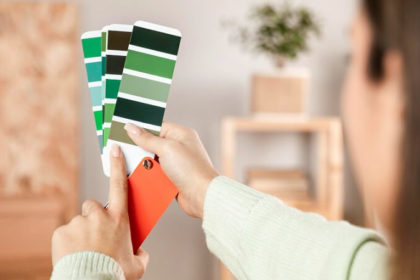
One of the elements typical for creating a zen feeling in a home is using neutral, earthy colors, i.e. colors that can be found in nature. Go with muted tones of moss green, chocolate, cream, nude and black for your furniture and/or your walls.
The Japanese interior is a blend of order, love for natural beauty, balance and ancient customs. Follow the tips above to create the most beautiful Japanese-inspired home.