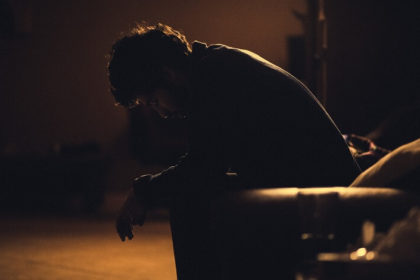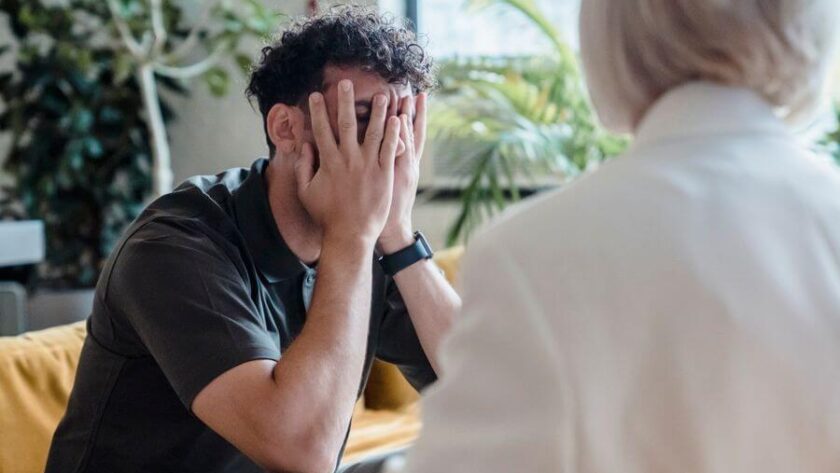
Ask anyone who has actually walked through a mental health crisis, either their own or a loved one’s, and they’ll tell you the same thing. Therapy alone rarely gets someone all the way there. Medication helps, sure. But the thing that actually carries people through the hardest stretches is almost always something quieter and harder to prescribe: people showing up for them, again and again, without judgment.
That’s not a soft, feel-good observation. It’s backed by decades of clinical work and a growing pile of research showing that recovery is rarely a solo project. It’s built on relationships.
The Therapist’s Office Isn’t Enough
A good therapist can do a lot. They can help someone untangle thought patterns, process trauma, and build coping tools that actually hold up under pressure. But therapy sessions are, what, an hour a week? Maybe two if someone’s lucky enough to afford it.
That leaves a lot of hours in between. And what fills those hours often matters just as much as what happens in the session itself.
I’ve heard clinicians describe this as the difference between a cast and physical therapy. The cast sets the bone. But healing still depends on everything that happens after, the daily movement, the small adjustments, the people helping you get up the stairs when you can’t quite manage alone.
Professional treatment sets the direction. Community is what keeps someone walking in it.
Why Stigma Still Gets in the Way
Here’s an uncomfortable truth. A lot of people don’t reach out for help not because they don’t want it, but because they’re terrified of how it’ll be received. Stigma doesn’t always show up as cruelty. Sometimes it’s just silence, an awkward change of subject, a friend who stops texting after someone mentions they’re struggling.
That silence teaches people to hide. And hiding is the opposite of recovery.
Breaking that pattern starts with something deceptively simple: talking about mental illness the same way we’d talk about a broken leg or high blood pressure. Not as a personality flaw. Not as something shameful. Just as a health condition that responds to treatment and support.
Open dialogue does a few things at once:
- It normalizes struggle, so people stop feeling like outliers for having a hard time
- It shortens the gap between someone noticing a problem and actually asking for help
- It gives family members language to check in without sounding clinical or forced
What Supportive Communities Actually Look Like
This doesn’t require a formal support group, though those absolutely help for plenty of people. Sometimes it’s smaller than that. A neighbor who notices someone hasn’t left the house in a while. A coworker who covers a shift without asking questions. A sibling who calls just to talk about nothing in particular, because they know today’s one of the harder days.
Peer support groups, in particular, do something clinical settings can’t fully replicate. There’s a different kind of trust that forms when advice comes from someone who’s actually lived it, not just studied it. Organizations tracking recovery outcomes have long pointed to peer and community involvement as a meaningful part of sustained recovery, alongside professional care, something covered in more depth on SAMHSA’s page on recovery support.
None of this replaces professional intervention. It works alongside it.
Sustained Support Beats Occasional Support
One mistake people make with good intentions is treating support like a short-term project. Someone has a crisis, everyone rallies for two weeks, and then life moves on. Recovery doesn’t work on that kind of timeline.
Real recovery is slow, and it’s rarely linear. There will be good months and rough ones. What actually helps is consistency, not intensity. A weekly check-in matters more than one big gesture. Showing up on an ordinary Tuesday, when nothing’s in crisis, tells someone they’re not just being managed through an emergency. They’re genuinely cared about.
Families sometimes ask what they’re supposed to say in these moments. Honestly, it’s less about finding perfect words and more about just being present. Listening without immediately trying to fix things, checking in without pressuring someone to explain everything, and respecting boundaries when someone needs space all go a long way.
Recovery as a Shared Responsibility
Maybe the biggest shift needed here is a change in how we frame recovery altogether. It’s often treated as something a person has to achieve on their own, through sheer willpower or the right combination of medication and therapy sessions.
But when families, friends, coworkers, and communities all understand that recovery is collective work, something changes. People feel less like they’re being carried and more like they’re walking alongside others who genuinely get it.
That shift, from isolation to shared effort, is where a lot of the real progress happens. Not in a single breakthrough session, but in the accumulation of small moments where someone felt understood instead of alone.
Building that kind of environment doesn’t require special training. It requires patience, consistency, and a willingness to sit with someone through the parts that aren’t easy to watch. That’s the work. And it’s work worth doing.