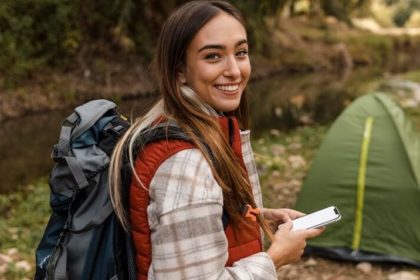
The Florida Panhandle, often colloquially referred to as the “Forgotten Coast,” is currently undergoing a renaissance as a premier destination for travelers who value ecological integrity over commercial saturation. While the bright lights of major gulf cities draw the masses, a sophisticated class of adventurers is looking toward the region’s rare “Coastal Dune Lakes”—geological wonders found in only a few places globally, including New South Wales and Madagascar. These high-level ecosystems provide a serene backdrop where freshwater and saltwater intermittently mix, creating a biological haven for rare flora and fauna that exists nowhere else in North America.
This geographical corridor is an intricate tapestry of white quartz sands and deep-canopy forests that offer a radical departure from the typical Florida vacation. Moving beyond the neon-lit boardwalks, visitors encounter a landscape defined by silence, salt air, and the rhythmic pulse of the Gulf of Mexico. It is a place where time seems to decelerate, allowing for a profound connection with the environment that is becoming increasingly scarce in our hyper-connected world.
Secluded Sands and the Majesty of Barrier Islands
The coastline here is defined by its “Sugar White” sand, a result of pure Appalachian quartz washed down through river systems over millennia. St. George Island serves as a prime example of this geological splendor. Stretching nearly thirty miles, this barrier island remains remarkably underdeveloped, providing a sanctuary for nesting sea turtles and migratory birds. According to the Florida Fish and Wildlife Conservation Commission, the lack of light pollution on these secluded shores is critical for the survival of hatchlings, making these beaches not just a tourist retreat but a vital ecological nursery.
Further west, the community of WaterColor and the legendary Grayton Beach offer a different kind of coastal luxury. Grayton Beach, often ranked among the most beautiful shorelines in the world, maintains a “Funky” and laid-back atmosphere that defies modern commercial trends. Here, Western Lake provides a mirror-like surface for paddleboarders to navigate through stands of ancient, wind-swept scrub oaks. For those seeking absolute isolation, Shell Island near Panama City Beach remains an uninhabited seven-mile stretch of paradise accessible only by watercraft. This island acts as a living museum of coastal dynamics, where beachcombers can find intact sand dollars and observe pods of bottlenose dolphins playing in the wake of passing skiffs.
Subterranean Mysteries and Ancient Forests
The interior of the Panhandle holds secrets that challenge the stereotypical image of Florida as a flat, swampy peninsula. Florida Caverns State Park represents one of the only places in the state where visitors can explore air-filled underwater caves. This subterranean labyrinth features dramatic stalactites, stalagmites, and flowstones that have taken thousands of years to form. The geological history etched into these limestone walls offers a rare glimpse into the epoch when the entire peninsula was submerged beneath a shallow sea.
Above ground, the terrain shifts into high bluffs and deep ravines at Torreya State Park. This area is often described as “Little Appalachia” due to its steep elevation changes and microclimate. It is the exclusive home of the rare Torreya taxifolia, a prehistoric coniferous tree that has survived since the last ice age. Hiking these trails provides a strenuous workout that is uncharacteristic of Florida, rewarding trekkers with sweeping vistas of the Apalachicola River. Complementing this is the Apalachicola National Forest, a massive expanse of longleaf pine savannas that serves as a critical habitat for the red-cockaded woodpecker, an endangered species that relies on the forest’s old-growth trees for survival.
A Culinary Map of the Forgotten Coast
The gastronomic identity of the region is rooted in “Merroir”—the maritime equivalent of terroir. The cold, nutrient-rich waters of Apalachicola Bay produce what many chefs consider the finest oysters in the world. The culinary scene here is a sophisticated blend of “Old Florida” traditions and modern farm-to-table innovation. Local eateries prioritize the “Day Boat” philosophy, where the seafood on your plate was swimming in the Gulf just hours prior. This commitment to hyper-local sourcing supports a fragile economy of independent oystermen and generational fishing families.
Innovative chefs in the region are increasingly pairing these coastal delicacies with indigenous flavors, such as Tupelo honey sourced from the nearby swamps or citrus from local groves. This culinary movement has caught the attention of the James Beard Foundation and other high-level epicurean circles, proving that the Forgotten Coast is a powerhouse of authentic Southern flavors. Exploring the small-town diners and upscale bistros of the Panhandle offers a taste of a region that refuses to compromise its heritage for the sake of mass appeal.
High-Octane Exploration in Wild Waterways
For the adrenaline-focused traveler, the Panhandle serves as a playground of diverse physical challenges. Vortex Spring offers one of the most unique diving experiences in the Southeast, where crystal-clear spring water maintains a constant temperature year-round. Divers can explore the mouth of a massive cave system that plunges into the Florida Aquifer, providing a window into the state’s vital freshwater source. The visibility here is legendary, often exceeding a hundred feet, making it a training ground for technical divers and a wonder for casual snorkelers.
Alternatively, the Adventures Unlimited complex in Milton allows visitors to experience the forest canopy from a different perspective. Zip-lining through the pines provides a bird’s-eye view of the Coldwater Creek system, a shallow, sandy-bottomed waterway perfect for tubing and kayaking. These activities underscore the region’s commitment to low-impact ecotourism, where the thrill comes from the natural environment rather than artificial structures. By engaging with these wild spaces, visitors become active participants in the preservation of the Panhandle’s unique wilderness.