
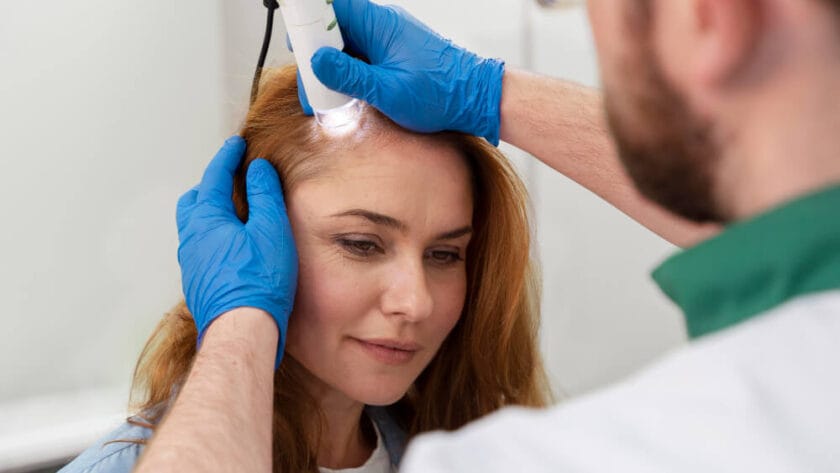
Hair restoration treatment has evolved far beyond the outdated methods of the past. Patients today expect natural results, minimal downtime, and personalized care plans that integrate advanced technology with holistic wellness. Understanding the essentials of modern hair restoration is key for anyone considering treatment.
Precision Techniques: From FUE to Sapphire Innovation
One of the most significant advancements in hair restoration treatment is the refinement of follicular unit extraction (FUE). Traditional FUE has been enhanced with sapphire blades, which create smaller, more precise incisions that heal faster and leave minimal scarring. As Resident.com explains, sapphire FUE represents a leap forward in both precision and patient comfort.
This innovation ensures transplanted hair looks natural, even under close inspection. Patients benefit from quicker recovery times and less visible donor sites, making the procedure more appealing to a wider audience.
Hyper-Personalized Treatment Plans
Personalization is now the standard. Clinics use AI-driven scalp analysis, 3D facial mapping, and genetic testing to design individualized treatment plans. According to Adorn Clinic, hyper-personalized approaches deliver safer, more natural results and higher patient satisfaction.
Every hair restoration treatment is tailored to the patient’s unique anatomy, lifestyle, and long-term goals. Whether it’s combining transplants with regenerative therapies or adjusting density for facial symmetry, personalization ensures outcomes that feel authentic.
Regenerative Medicine and Stem Cell Therapies
Beyond surgical techniques, regenerative medicine is reshaping hair restoration. Stem cell therapies, platelet-rich plasma (PRP), and exosome treatments stimulate dormant follicles, improve scalp health, and enhance transplant success rates.
Patients increasingly seek non-invasive or minimally invasive options, and regenerative medicine offers promising alternatives. While not a replacement for transplants in severe cases, these treatments complement surgical methods and extend the longevity of results.
The Role of Technology in Patient Experience
Technology is improving clinical outcomes and transforming patient experience. Virtual consultations, AI-driven progress tracking, and digital imaging allow patients to visualize potential results before committing to treatment. Platforms like NewBeauty highlight how digital tools are shaping consumer expectations in beauty and wellness.
Patients now demand transparency, data-driven insights, and ongoing support. Clinics that embrace technology build stronger trust and deliver more satisfying experiences.
Cost, Accessibility, and Global Trends
Hair restoration treatment has become more accessible worldwide. While premium clinics dominate in major cities, emerging markets offer competitive services at lower costs. Medical tourism continues to grow, with destinations like Turkey, India, and parts of Eastern Europe attracting international patients.
However, cost should not be the only factor. Patients must evaluate clinic reputation, surgeon expertise, and safety standards. The best outcomes come from balancing affordability with quality.
Common Pitfalls and How to Avoid Them
Despite advancements, pitfalls remain. Patients may encounter unrealistic promises, underqualified practitioners, or poorly executed procedures. To avoid these risks, thorough research is essential. Verified reviews, before-and-after galleries, and transparent consultations help ensure credibility.
Choosing a clinic that prioritizes patient education and long-term care is critical. A successful hair restoration treatment is not just about the procedure—it’s about ongoing support and maintenance.
Why Hair Restoration Treatment Matters
Modern hair restoration treatment represents a turning point in aesthetics. Precision techniques, personalization, regenerative medicine, and digital innovation are redefining what patients can expect. The focus is shifting from simply restoring hair to restoring confidence, identity, and quality of life.
For those considering treatment, the essentials are clear: choose a clinic that combines advanced technology with human expertise, prioritize personalization, and embrace continuous care. Hair restoration is not just about looking better—it’s about feeling whole again.