
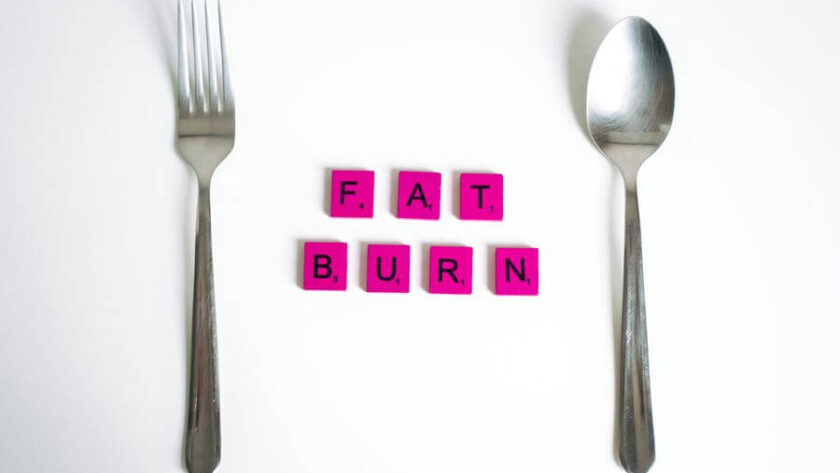
Here’s something that still surprises half the people I talk to: skipping fat doesn’t make you thinner. It just makes you hungrier, grumpier, and more likely to raid the pantry at 9 PM. I’ve watched this play out over and over, both with people I’ve coached through eating fat to lose weight and in my own kitchen experiments over the years.
The old “fat makes you fat” logic sounds convincing on paper. Fat has more calories per gram than carbs or protein, so cutting it should shrink your waistline, right? Except that’s not how metabolism actually behaves. Your body isn’t a spreadsheet. It’s a hormone-driven system, and fat plays a starring role in keeping those hormones calm and cooperative.
Why Low Fat Diets Backfired For So Many People
Back in the 90s and early 2000s, grocery store shelves were packed with “fat free” everything. Fat free cookies, fat free yogurt, fat free salad dressing. And obesity rates climbed right alongside all that fat free packaging. That’s not a coincidence.
When food companies stripped out fat, they had to replace it with something to keep products tasting good. Usually that something was sugar and refined starch. Your body burns through those quickly, blood sugar spikes, insulin follows, and an hour later you’re starving again. Fat, on the other hand, slows digestion down. It keeps you full longer and it doesn’t send your blood sugar on a rollercoaster.
Researchers at Harvard have actually pushed back hard against blanket low fat recommendations, pointing out that large cohort studies and randomized trials have consistently failed to show that low-fat diets help with lowering weight or chronic disease risk. That’s a pretty significant admission from one of the most respected nutrition research bodies out there. If you want to dig into the full breakdown, it’s worth reading their detailed analysis on total fat intake guidelines.
The Type Of Fat Matters More Than The Amount
I tell everyone I coach the same thing. Stop counting fat grams and start looking at fat quality. Not all fats behave the same way inside your body, and treating them like they’re interchangeable is where most people go wrong.
Here’s the rough breakdown I use:
- Monounsaturated fats — found in olive oil, avocados, and almonds. These help manage cholesterol and tend to be the easiest for your body to use as clean energy.
- Polyunsaturated fats — think fatty fish, walnuts, flaxseed. These bring omega-3s along for the ride, which help with inflammation and can actually support fat metabolism.
- Saturated fats — butter, coconut oil, fatty cuts of meat. Not the enemy, but they work best in moderation rather than as your main fat source.
- Trans fats — the stuff in packaged, processed snacks. This is the one category I actually tell people to avoid completely. There’s no version of this fat that does you any favors.
A trick I picked up from a nutritionist years ago: add a source of healthy fat to every single meal, even breakfast. It slows the whole meal down, digestion wise, and you naturally stop grazing an hour later.
How Fat Actually Helps With Weight Loss
This is the part that clicks for people once they see it in action. Fat triggers a hormone called CCK, which tells your brain “okay, that’s enough, we’re satisfied.” Carbs alone don’t do this nearly as effectively. So a meal built around good fat, some protein, and fibrous vegetables keeps hunger quiet for hours, not just twenty minutes.
There’s also the insulin angle. Diets that emphasize healthy fat over refined carbs tend to keep insulin levels steadier throughout the day. And steady insulin is basically a green light for your body to burn stored fat instead of hoarding it. That’s the whole logic behind approaches like keto, though you don’t need to go full keto to get some of this benefit. Even shifting the ratio slightly, more fat, fewer refined carbs, makes a noticeable difference for a lot of people.
I had a client last year who swapped her breakfast toast and jam for two eggs cooked in butter with half an avocado. Nothing fancy. Within three weeks she noticed she wasn’t reaching for a mid-morning snack anymore. That’s not magic, that’s just satiety doing its job properly.
Real Foods That Belong On Your Plate
Forget fancy supplements or expensive “fat burning” products. The best sources are boring, and boring is good here:
- Extra virgin olive oil drizzled over vegetables or used in cooking at moderate heat.
- Fatty fish like salmon, sardines, or mackerel, ideally two or three times a week.
- Avocados, whole or mashed onto pretty much anything.
- Nuts and seeds, a small handful as a snack rather than a whole bag.
- Whole eggs, yolk included. The yolk is where most of the nutrition lives anyway.
- Grass fed butter or ghee in small amounts for cooking.
Common Mistakes People Make When They Start
The biggest one I see constantly is people going from one extreme to the other. They ditch low fat eating and suddenly drown every meal in oil and cheese, assuming more fat automatically means more results. It doesn’t work that way. Fat is calorie dense, so portion awareness still matters, it’s just that fat portions naturally feel more satisfying, so overeating tends to happen less.
The second mistake is ignoring fiber. Fat and fiber work as a team. Vegetables, legumes, and whole grains alongside your fat sources slow digestion even further and support the gut bacteria that influence weight regulation. Fat without fiber is only half the equation.
Give your body about three to four weeks before judging results. Shifting from a carb heavy pattern to one built around quality fat takes a little time for your hormones and digestion to adjust.


