
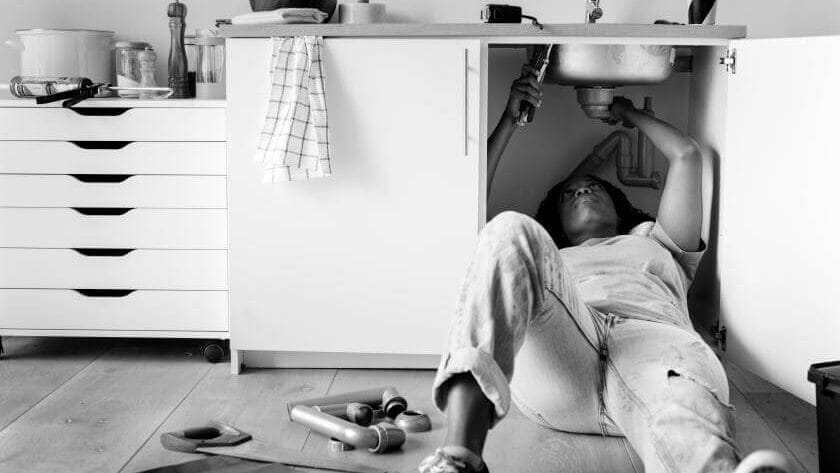
DIY Plumbing is a popular way for homeowners to save money, learn new skills, and tackle minor repairs without calling a professional. But while some plumbing tasks are safe and manageable, others can lead to costly damage—or even legal trouble—if done incorrectly. Whether you’re a seasoned DIYer or just starting out, knowing what you can and can’t do is essential.
What You Can Do Yourself
DIY Plumbing can be empowering when done right. Here are tasks most homeowners can safely handle:
1. Fixing a Leaky Faucet
A dripping faucet is one of the most common plumbing issues. With basic tools and a replacement washer or cartridge, you can stop the leak and save water.
2. Unclogging Drains
Hair, soap scum, and food debris often cause clogs. Use a plunger, drain snake, or eco-friendly cleaner to clear blockages. Avoid harsh chemicals—they can damage pipes over time.
3. Replacing a Showerhead
Swapping out a showerhead is a simple DIY Plumbing upgrade. It requires minimal tools and can improve water pressure or reduce water usage.
4. Repairing a Running Toilet
A constantly running toilet wastes water and money. Replacing the flapper, fill valve, or adjusting the float are easy fixes that fall well within DIY Plumbing territory.
5. Installing a New Faucet
If you’re comfortable with basic plumbing connections, installing a new kitchen or bathroom faucet is a satisfying project. Just remember to shut off the water supply first!
What You Shouldn’t Do Yourself
DIY Plumbing has its limits. Some tasks require professional expertise, permits, or specialized tools. Here’s what to avoid:
1. Replacing Water Heaters
Water heaters involve gas lines, electrical connections, and pressure systems. Mistakes can lead to leaks, explosions, or carbon monoxide poisoning. Leave this to licensed plumbers.
2. Moving or Extending Plumbing Lines
Changing the location of sinks, toilets, or appliances often requires rerouting pipes. This can violate building codes and cause serious water damage if done incorrectly.
3. Sewer Line Repairs
Sewer systems are complex and hazardous. DIY attempts can expose you to harmful bacteria and lead to expensive repairs if the problem worsens.
4. Cutting Into Walls or Floors
If you’re unsure where pipes or electrical wires run, cutting into walls or floors is risky. You could damage hidden infrastructure or create mold-prone leaks.
5. Ignoring Permits and Codes
Many plumbing projects require permits and must comply with local building codes. DIY Plumbing that violates regulations can result in fines or insurance issues.
Tips for Safe and Successful DIY Plumbing
Before diving into any DIY Plumbing project, follow these essential tips:
-
Research thoroughly: Watch tutorials, read guides, and understand the steps before starting.
-
Use the right tools: Invest in quality tools like adjustable wrenches, pipe tape, and plungers.
-
Turn off the water: Always shut off the water supply before working on any fixture.
-
Test for leaks: After finishing a repair, check for drips or moisture to ensure everything is sealed.
-
Know when to stop: If a project feels overwhelming or goes wrong, call a professional immediately.
Why DIY Plumbing Can Be Worth It
Done correctly, DIY Plumbing offers several benefits:
-
Cost savings: Avoid service fees for minor repairs.
-
Skill building: Learn valuable home maintenance techniques.
-
Convenience: Handle small issues quickly without waiting for a plumber.
-
Satisfaction: There’s pride in solving problems with your own hands.
However, always weigh the risks. A $20 DIY fix can turn into a $2,000 repair if done improperly.
Know Your Limits
DIY Plumbing is a fantastic way to take control of your home’s maintenance. But it’s not a one-size-fits-all solution. Understanding what you can safely do—and when to call in the pros—is the key to avoiding disaster and keeping your plumbing system in top shape.
If you’re ever unsure, consult a licensed plumber. It’s better to spend a little now than a lot later.