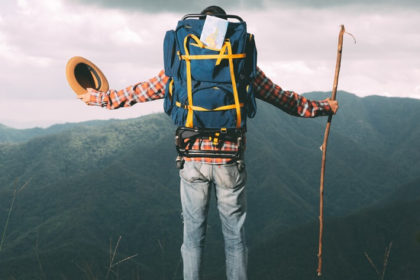

Spending time outdoors is one of the most rewarding ways to challenge yourself, reconnect with nature, and discover new strengths. Yet adventure is not just about excitement—it requires preparation, awareness, and respect for the environment. To truly thrive in the wild, every adventurer should master a set of essential outdoor skills. These abilities not only keep you safe but also make your experiences more enjoyable and meaningful.
Navigation Skills: Finding Your Way in the Wild
One of the most important skills is navigation. Technology is useful, but batteries die and signals fail. Learning how to read a topographic map and use a compass can make the difference between reaching your destination or wandering off course. Landmarks such as rivers, ridges, and vegetation patterns can guide you when tools are unavailable. GPS apps are convenient, but they should never replace traditional methods. For a deeper dive into navigation techniques, check this guide.
Shelter Building: Staying Safe in Any Weather
Weather can change suddenly, and knowing how to build a shelter is critical. A simple tarp setup can protect you from rain, while natural shelters made from branches and leaves can provide cover when gear is limited. Practicing how to pitch a tent before heading out ensures you won’t struggle when conditions are harsh. Shelter building is not just about comfort—it can be a lifesaving skill.
Fire-Making: Warmth, Cooking, and Survival
Fire is one of humanity’s oldest survival tools. It provides warmth, cooks food, and can even signal for help. Adventurers should carry waterproof matches, lighters, or ferro rods, but also learn how to identify natural tinder such as birch bark or pine needles. Fire safety is essential: always clear the area of debris and respect local regulations. A well-built fire can transform a cold night into a manageable one.
Water Sourcing and Purification
Clean water is non-negotiable. Dehydration can set in quickly, and untreated water can cause serious illness. Streams, lakes, and rainfall are common sources, but purification is always necessary. Boiling is the most reliable method, while portable filters and purification tablets are practical for longer trips. Never drink directly from natural sources without treatment. For practical water safety tips, explore this outdoor skills resource.
First Aid Basics: Handling Emergencies
Accidents are part of outdoor life, and knowing how to respond is vital. A well-stocked first aid kit should include bandages, antiseptic, blister care, and pain relief. Basic training in CPR and wound care can save lives. Equally important is recognizing when professional medical help is required. First aid is not just about supplies—it is about confidence and readiness to act.
Knot-Tying: Small Skill, Big Impact
Knots may seem simple, but they are indispensable. From securing tents to climbing safely, knot-tying is a skill every adventurer should practice. The square knot is useful for tying two ropes together, the bowline creates a secure loop that won’t slip, and the clove hitch is perfect for attaching ropes to poles or trees. Mastering these knots ensures efficiency and safety in countless situations.
Cooking Outdoors: Fueling Your Adventure
Food keeps energy levels high and morale strong. Portable stoves are lightweight and efficient, while campfire cooking offers a traditional experience. Learning safe techniques for grilling or boiling prevents accidents. Storing food properly is equally important, especially in areas with wildlife. Bear-proof containers or hanging food away from camp can protect both you and the animals.
Weather Awareness: Reading the Signs
Nature often signals upcoming weather changes. Dark, fast-moving clouds can indicate storms, while sudden wind shifts may suggest a front is approaching. Although weather apps are helpful, they should not replace natural observation. Adventurers who learn to read the sky and environment gain an extra layer of preparedness.
Leave No Trace: Respecting Nature
True adventurers respect the environment. The principle of “Leave No Trace” means carrying all trash back with you, staying on trails to prevent erosion, and observing wildlife from a distance. Protecting nature ensures that future generations can enjoy the same pristine landscapes. To learn more, visit the Leave No Trace principles.
Mental Preparedness: Confidence and Calm
Outdoor skills are not only physical—they are mental. Staying calm in stressful situations prevents poor decisions. Problem-solving and creative thinking are essential when gear fails or conditions change. Confidence grows with practice, and gradual skill-building helps avoid overwhelm. Mental resilience is the invisible skill that ties all others together.
Adventure with Responsibility
Mastering outdoor skills transforms adventures from risky to rewarding. Navigation, shelter building, fire-making, water purification, first aid, knot-tying, cooking, weather awareness, environmental respect, and mental preparedness form the foundation of safe exploration. By practicing these skills before heading out, you protect yourself and ensure that nature remains untouched for future adventurers. Outdoor life is not just about thrill—it is about responsibility, respect, and readiness.